

 |
|
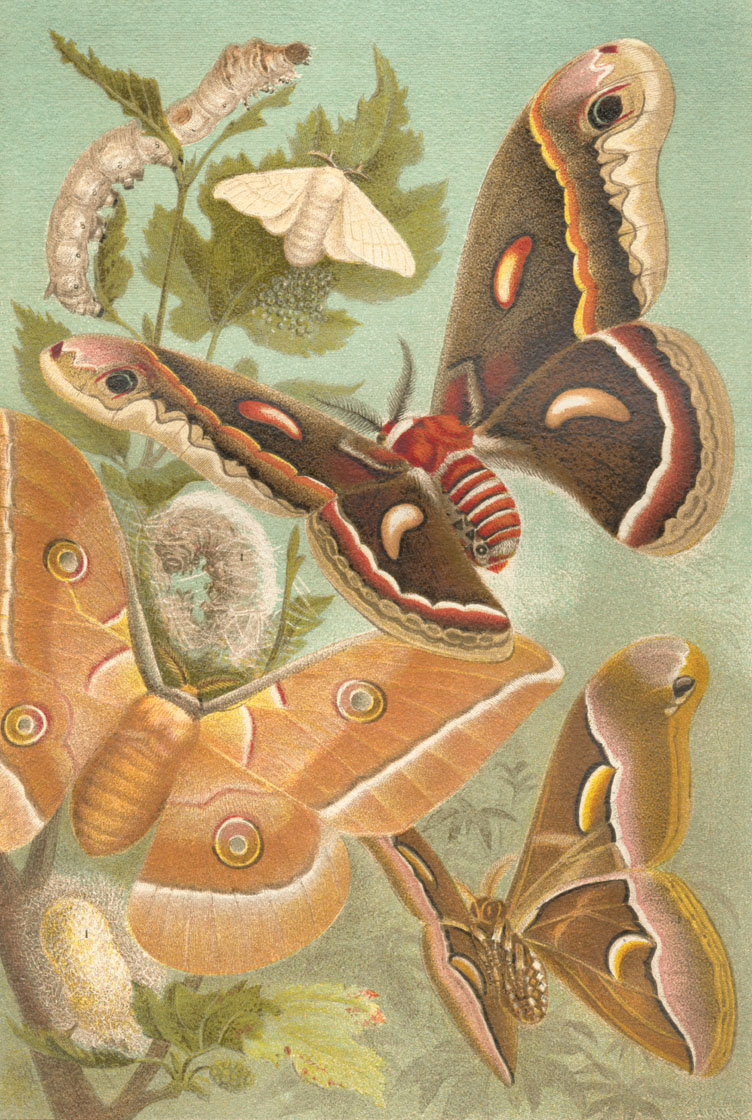
Silk is a natural protein fiber made by the larva of the silk moth, Bombyx mori. When the caterpillar is ready to change into a moth, it will produce silk thread and wrap itself in a silken cocoon. Sadly, the little caterpillars do not survive when their cocoons are taken to be processed into silk fabric.
|

Silk was once considered a luxury fabric
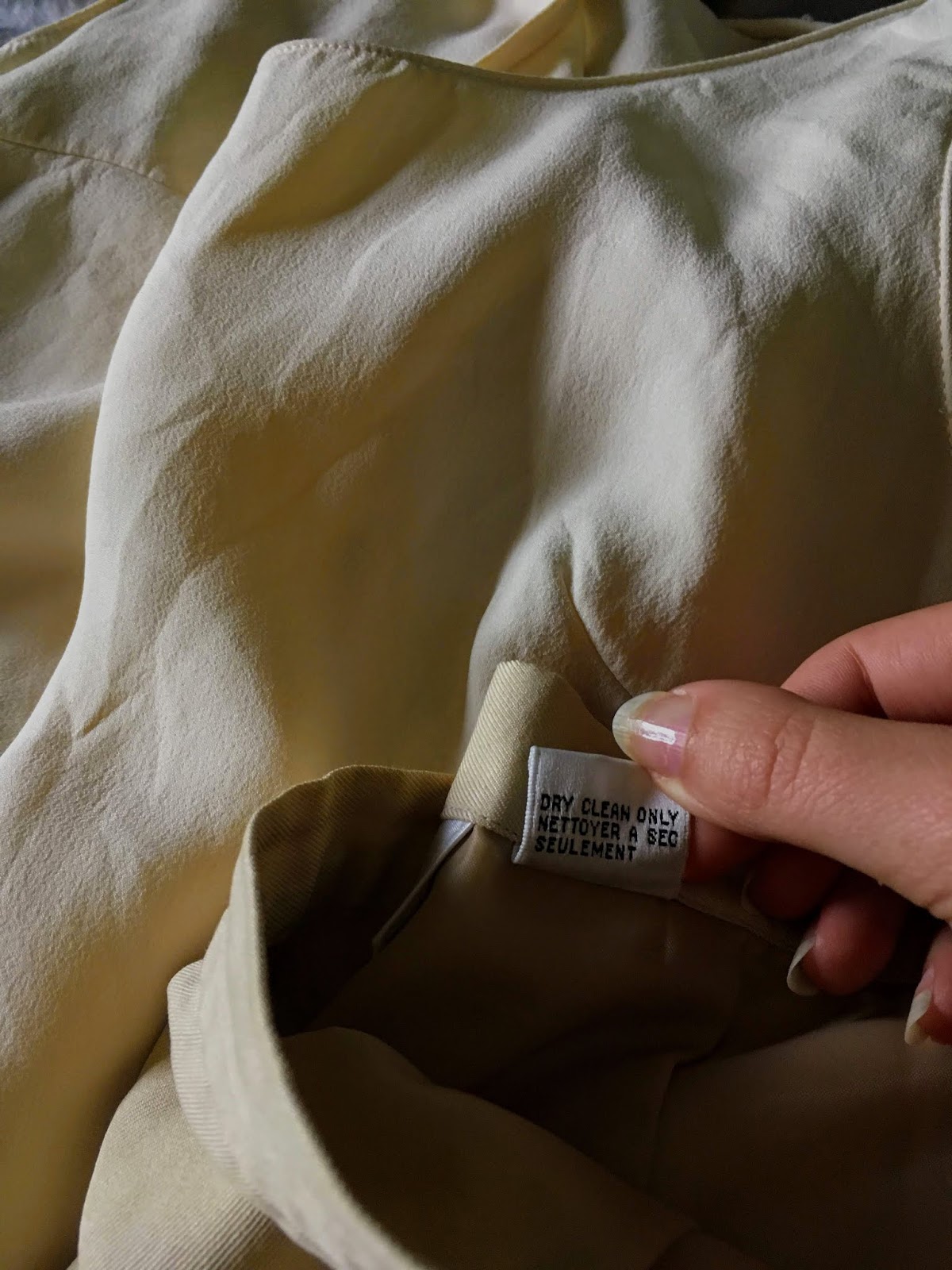
reserved for the wealthy, and often has “Dry Clean Only” labels attached. Why even bother? I certainly never bought or owned and silk
until I came across some at my local thrift store and decided to try it
out. Let me tell you, it feels great on
the skin. Silk fibers are delicate and
yet extremely strong; smooth and breathable. Silk shimmers because the shape of
the fibers act like a prism, refracting light at different angles! I occasionally find a few silk pieces
second-hand and I ignore the “Dry Clean Only” tags (on all my clothes
actually.) People have been wearing and cleaning
silk long before Dry Cleaning with chemicals was invented in 1821. Here’s how I care for and keep my second-hand
silk pieces:
I believe the “Dry Clean” label is just a standard default
because it’s easier than having to explain all the cleaning instructions. It’s often just a warning for fabrics that
might shrink, fade, bleed, or otherwise be damaged in the washing machine. Hand-washing my few silk pieces is no problem
for me. I remove underarm stains from
silk with vinegar and water. Turn the
garment inside out. Hand wash in
lukewarm water with mild soap. I use a liquid castile soap. Rinse in
cold water. Squeeze gently to remove
water, do not wring. Hang to dry over
the bathtub. Silk can be ironed while slightly damp on the lowest setting. Hanging a wrinkly silk piece in the bathroom
while you take a steamy shower is also an easy way to clean and press all at
once! Keep your silks in a cool dry,
place and I recommend keeping them on a hanger, not in a drawer, to avoid wrinkles.
 aspen mitchell